Museo Anahuacalli
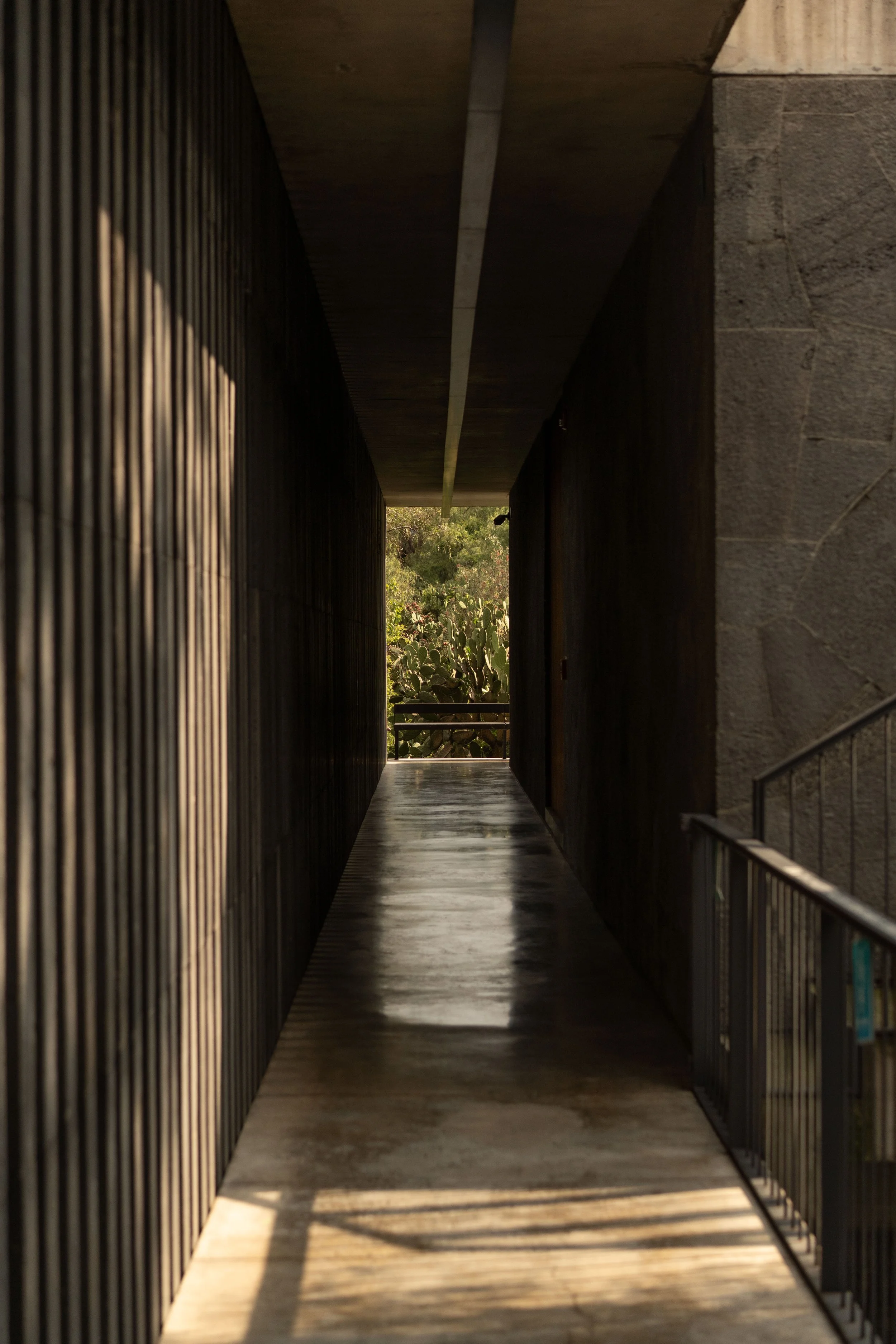
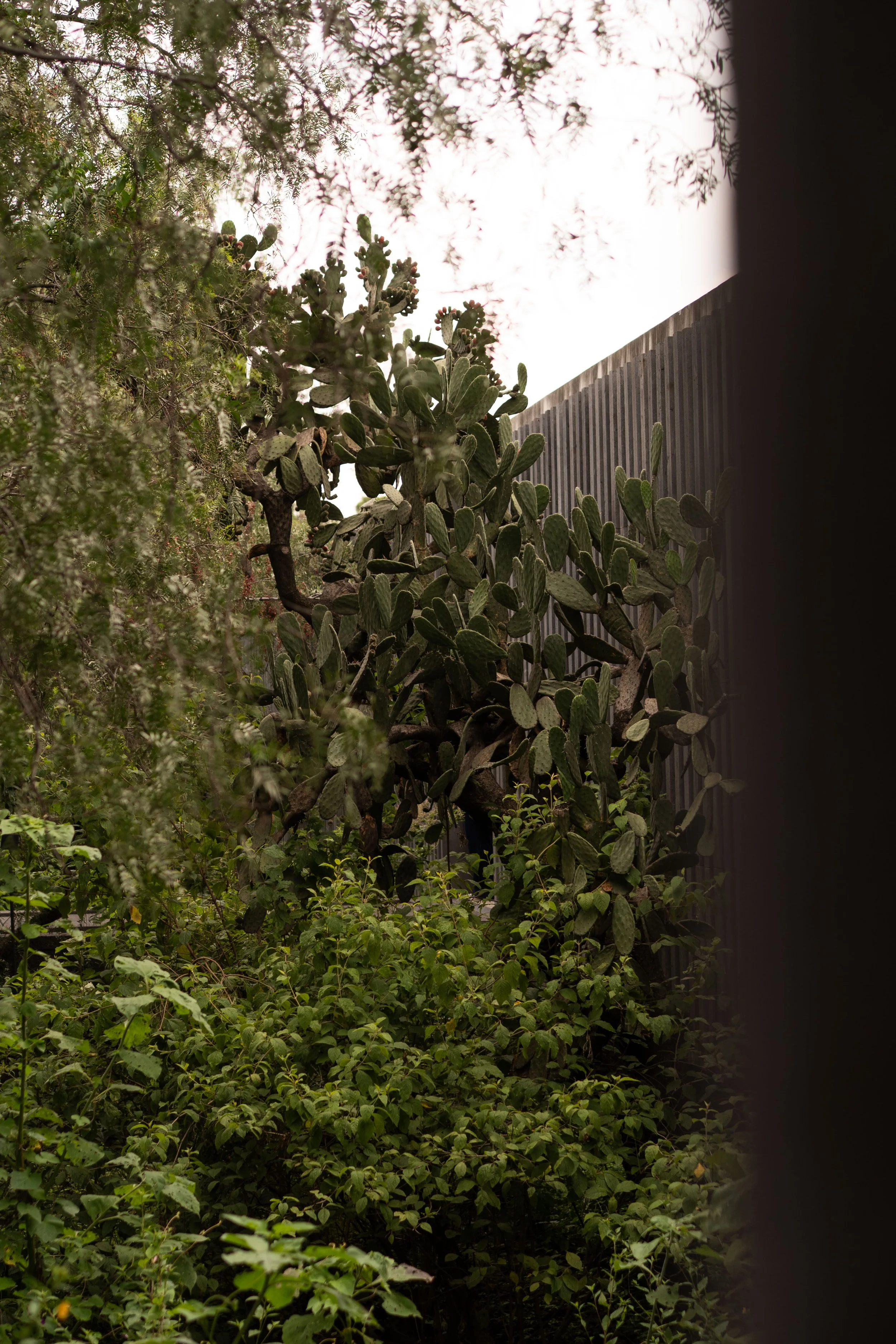
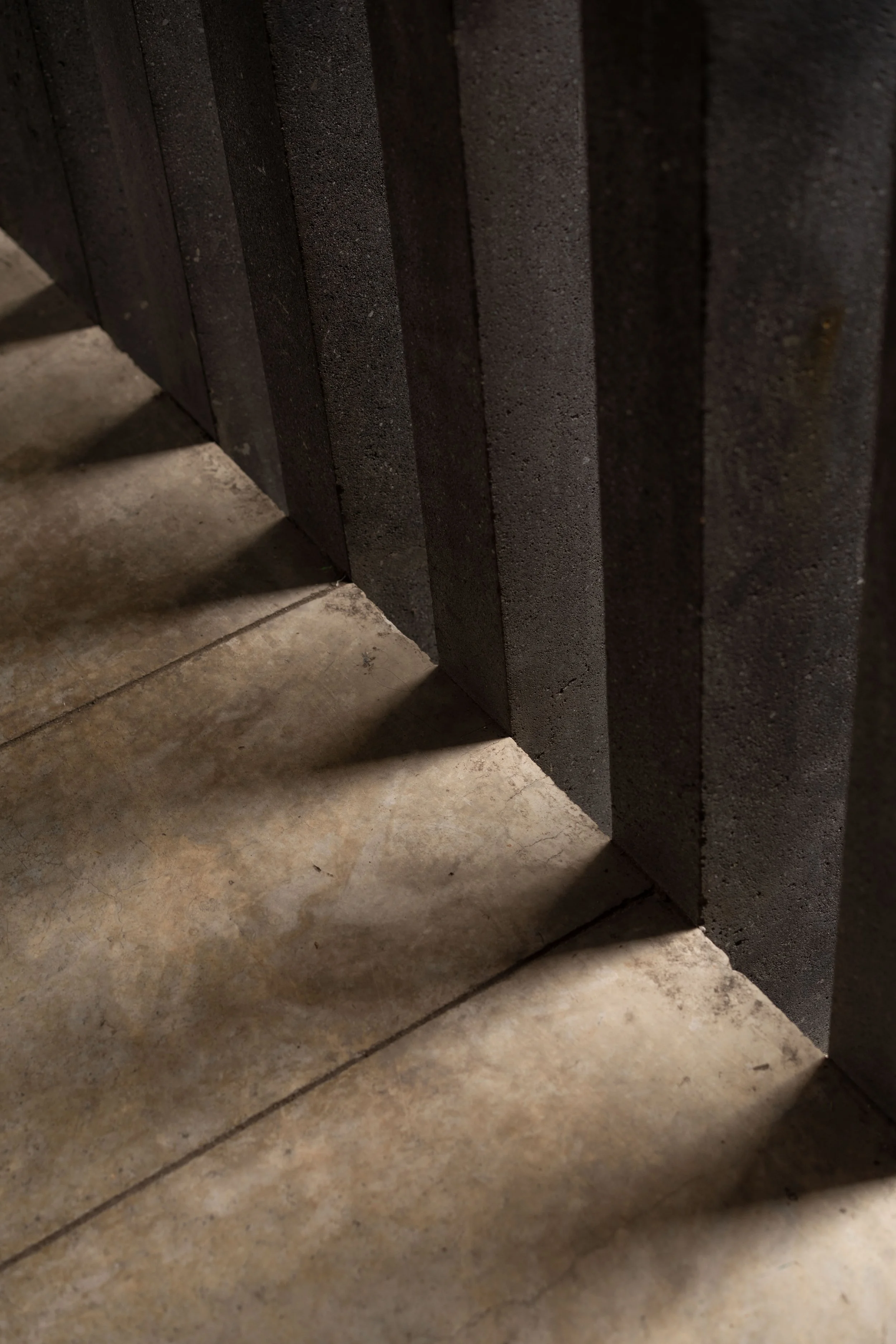
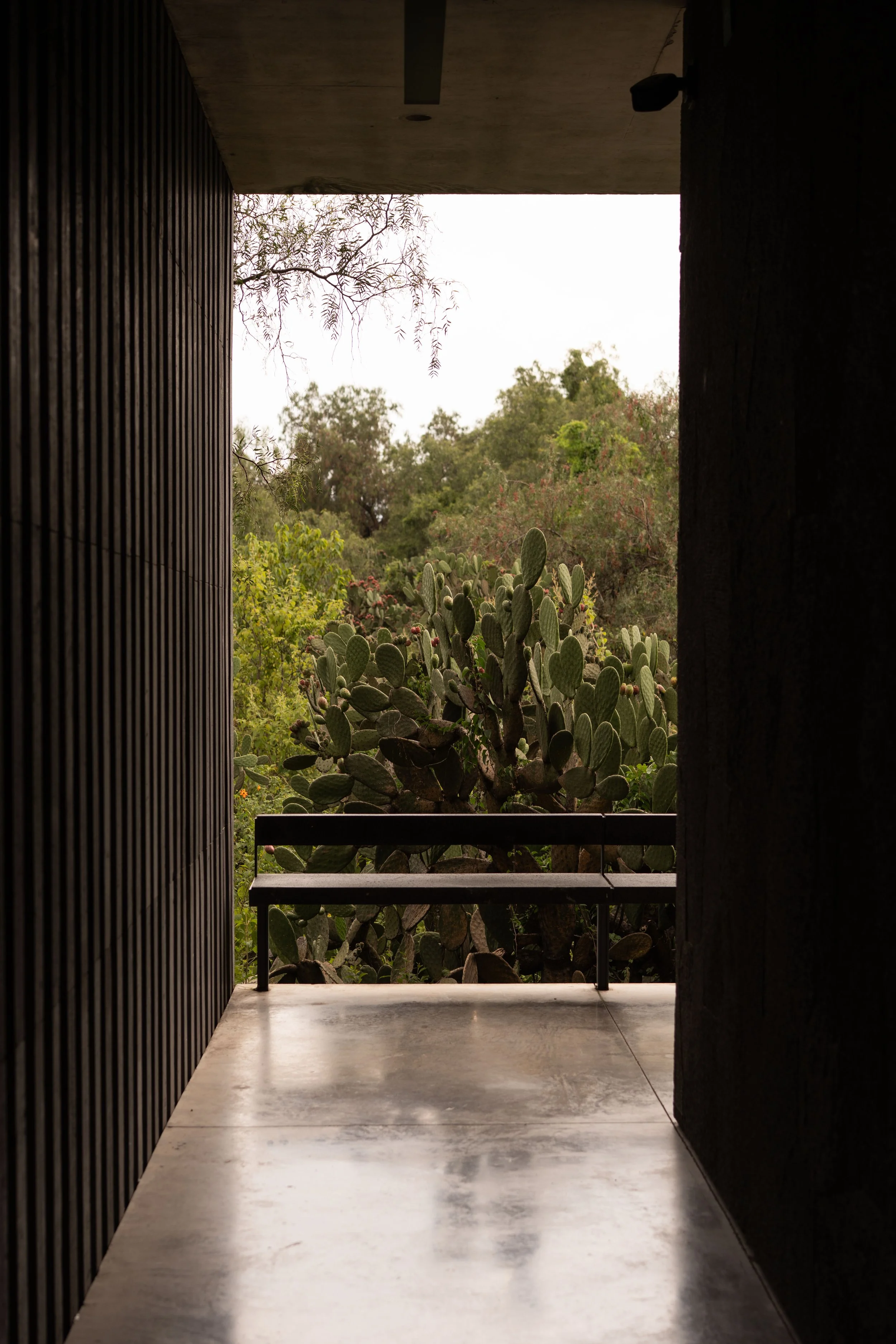
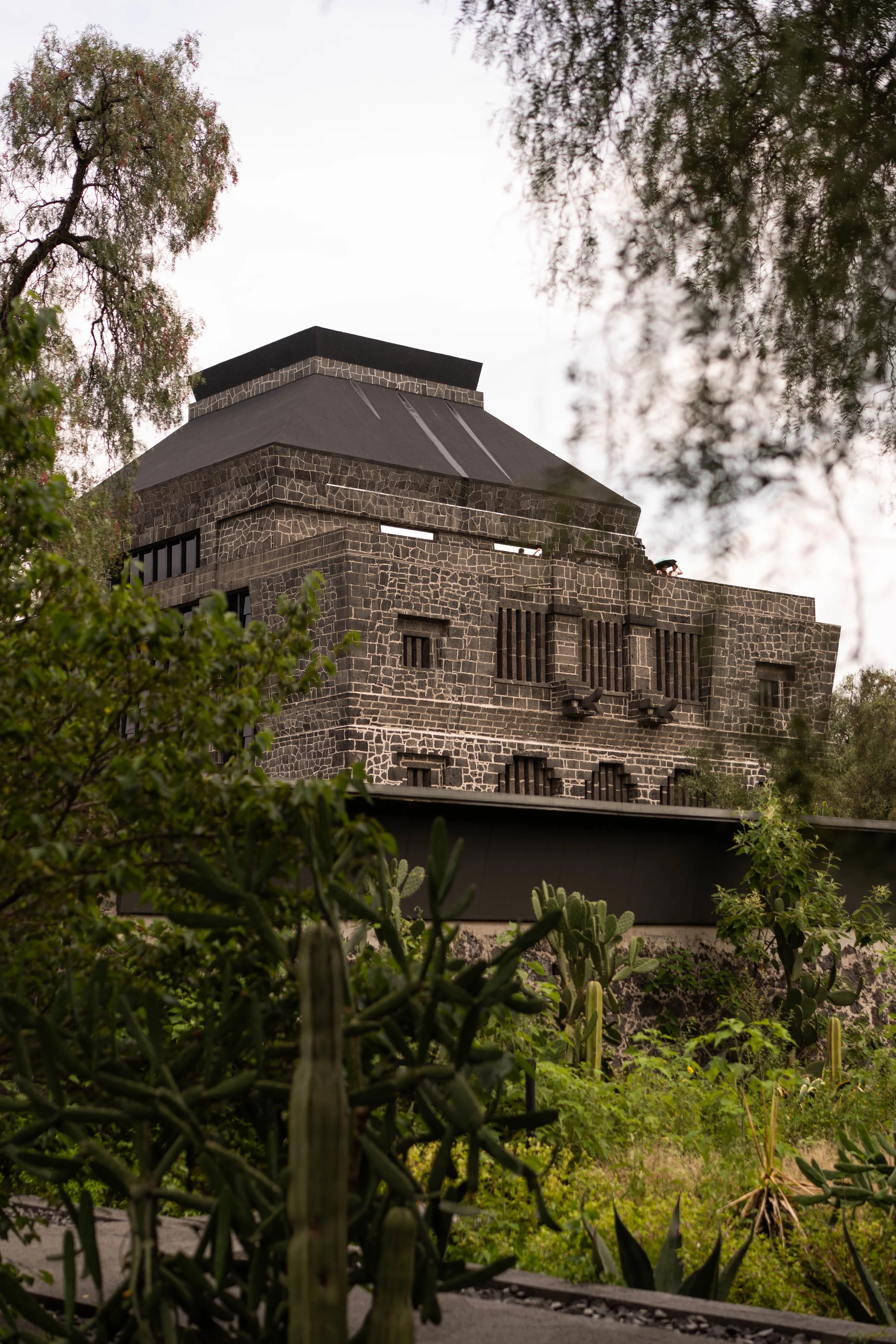
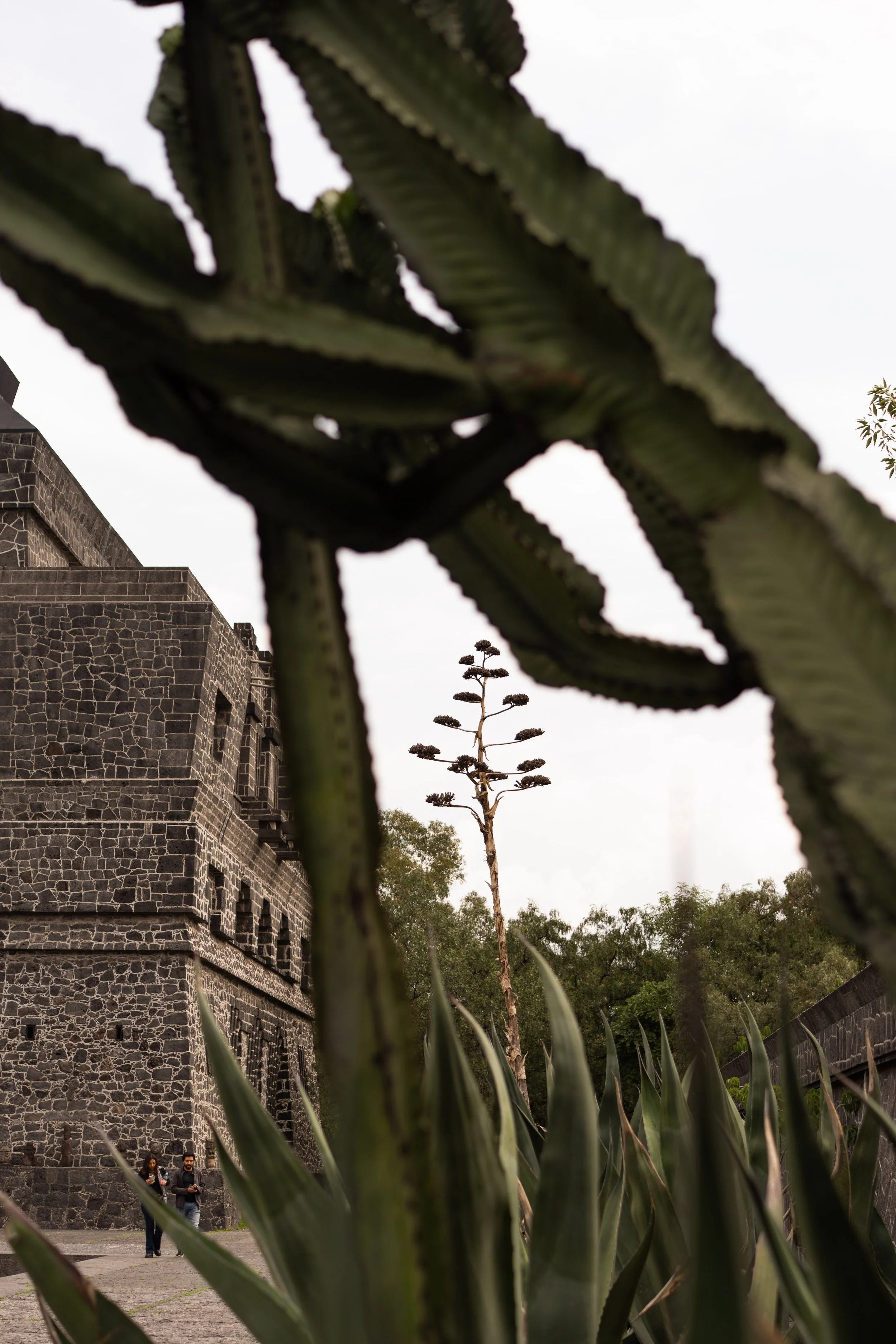
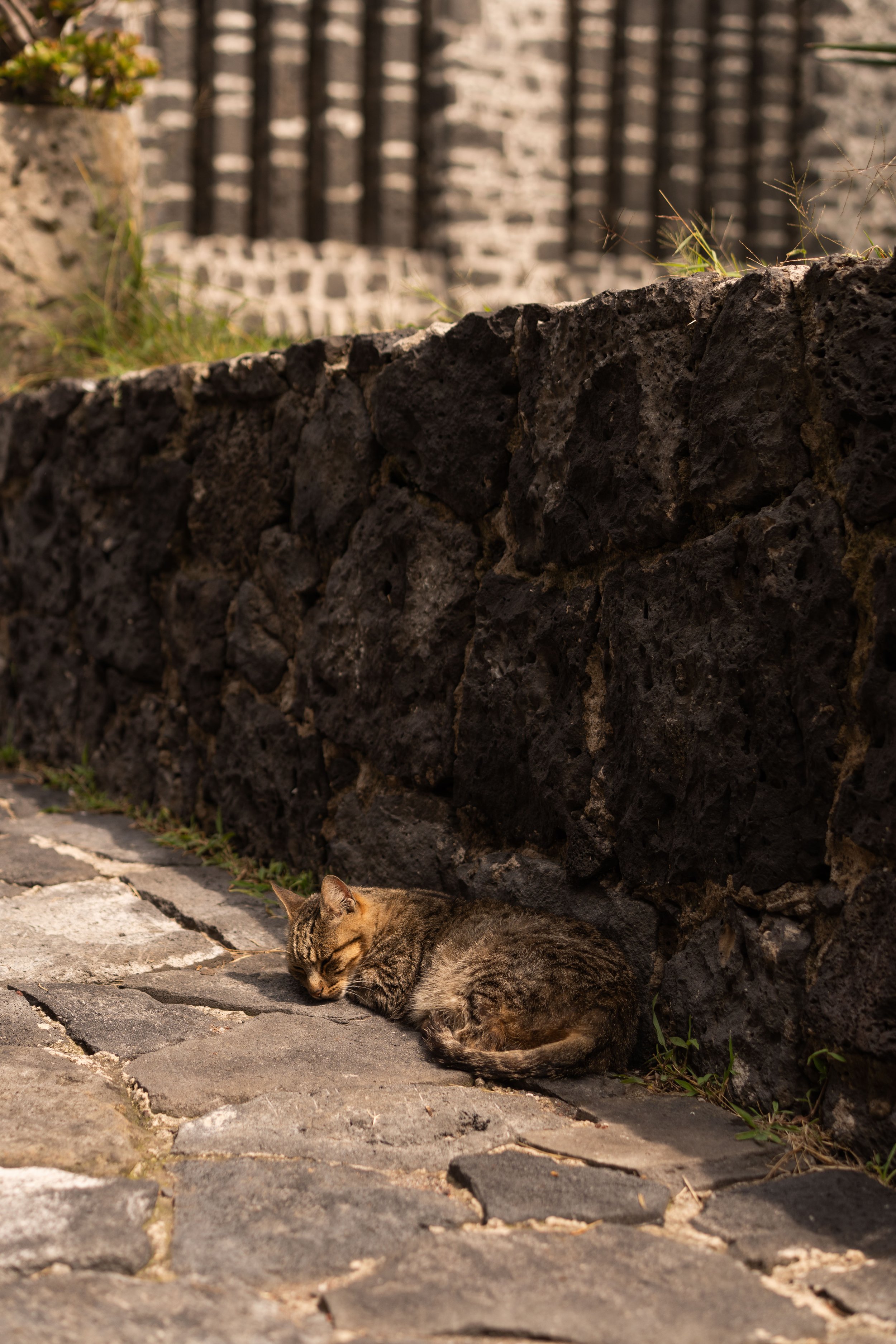
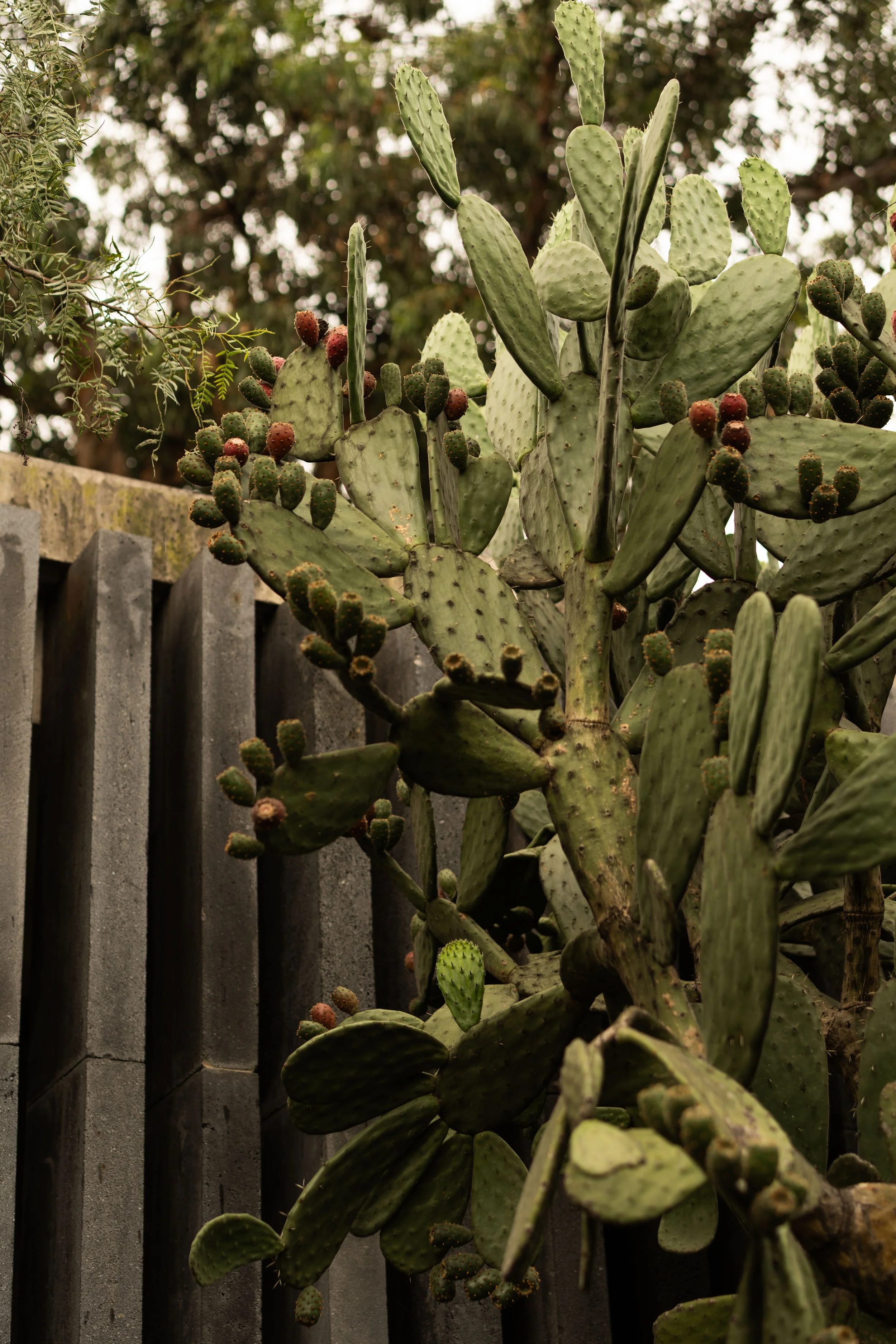
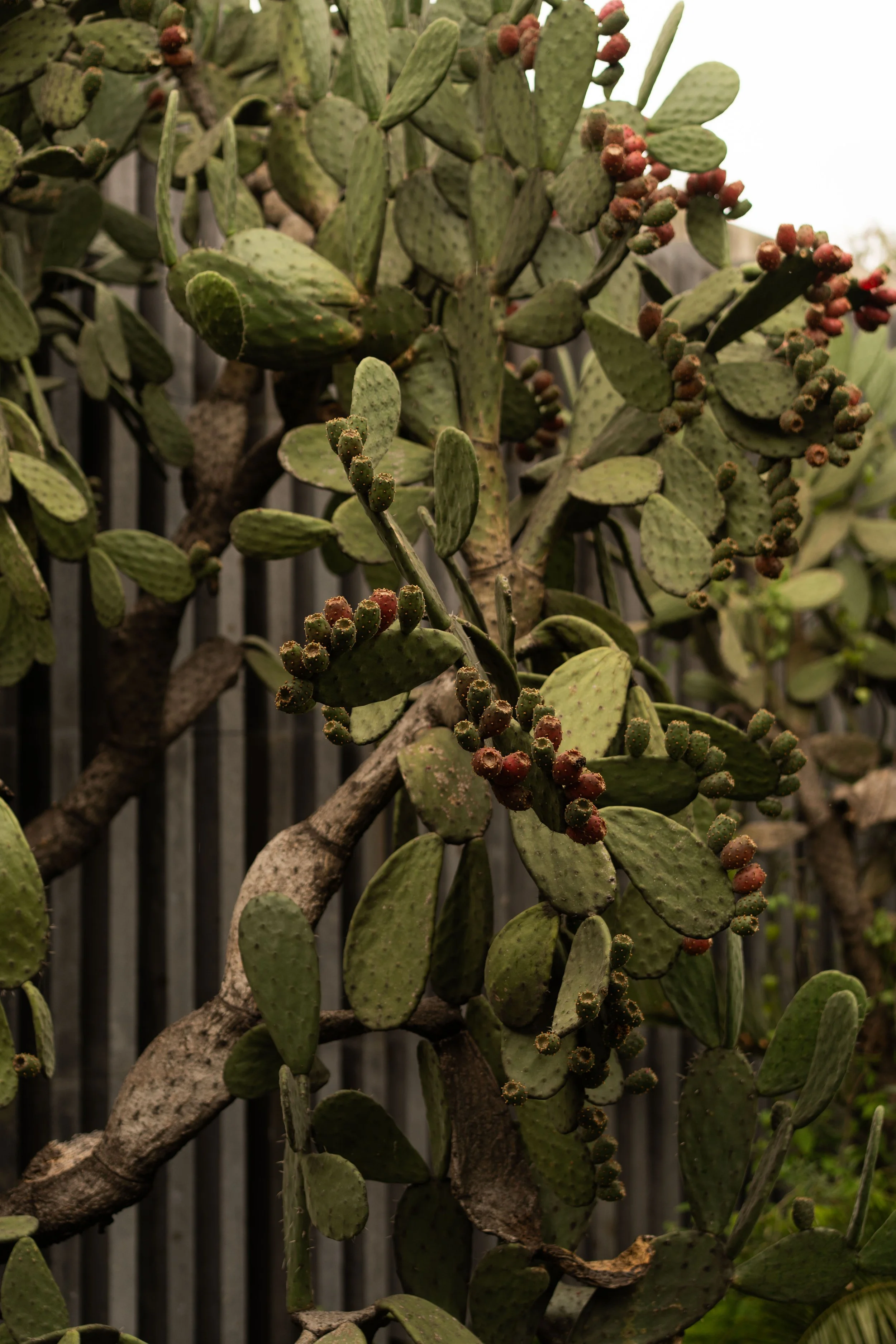
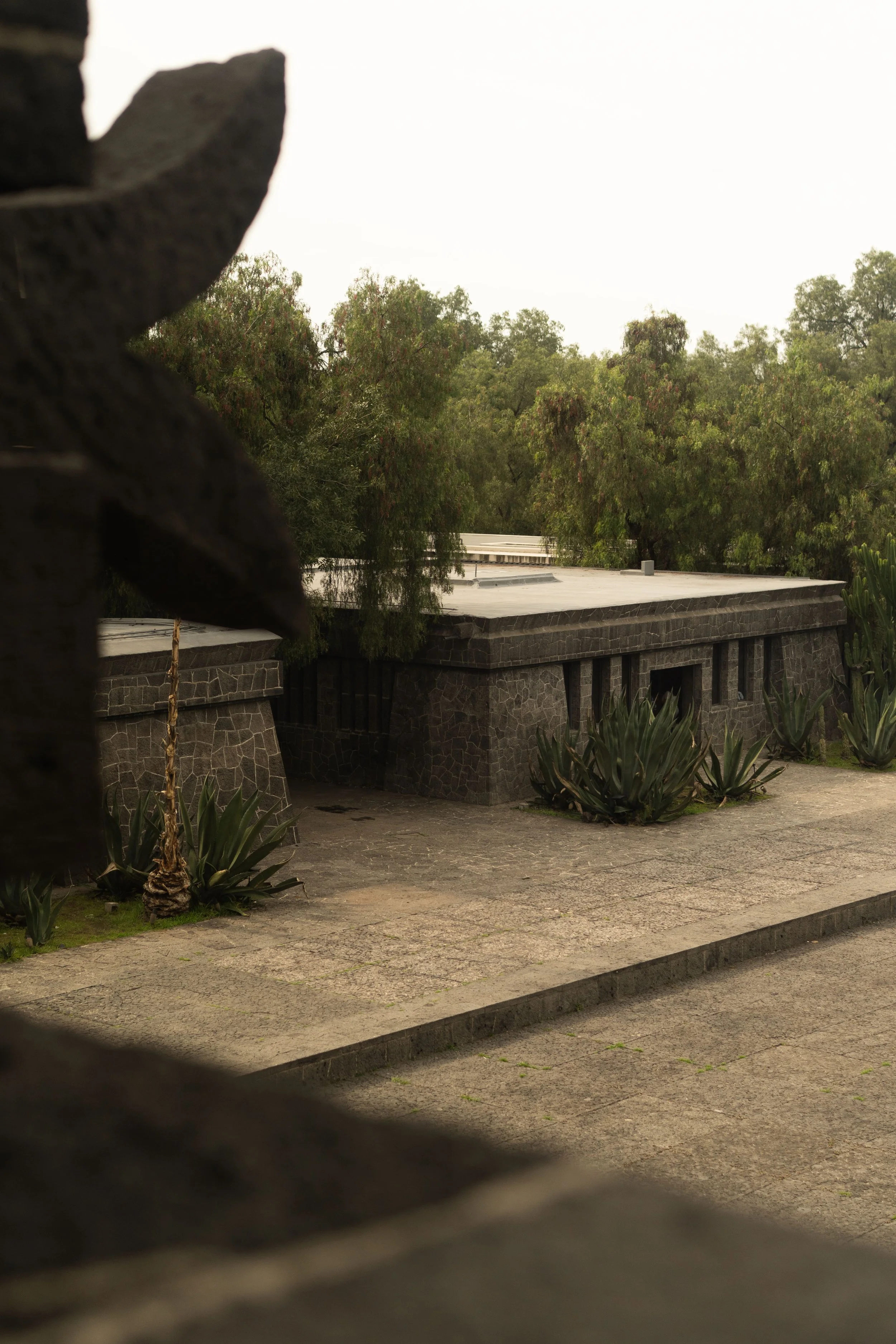
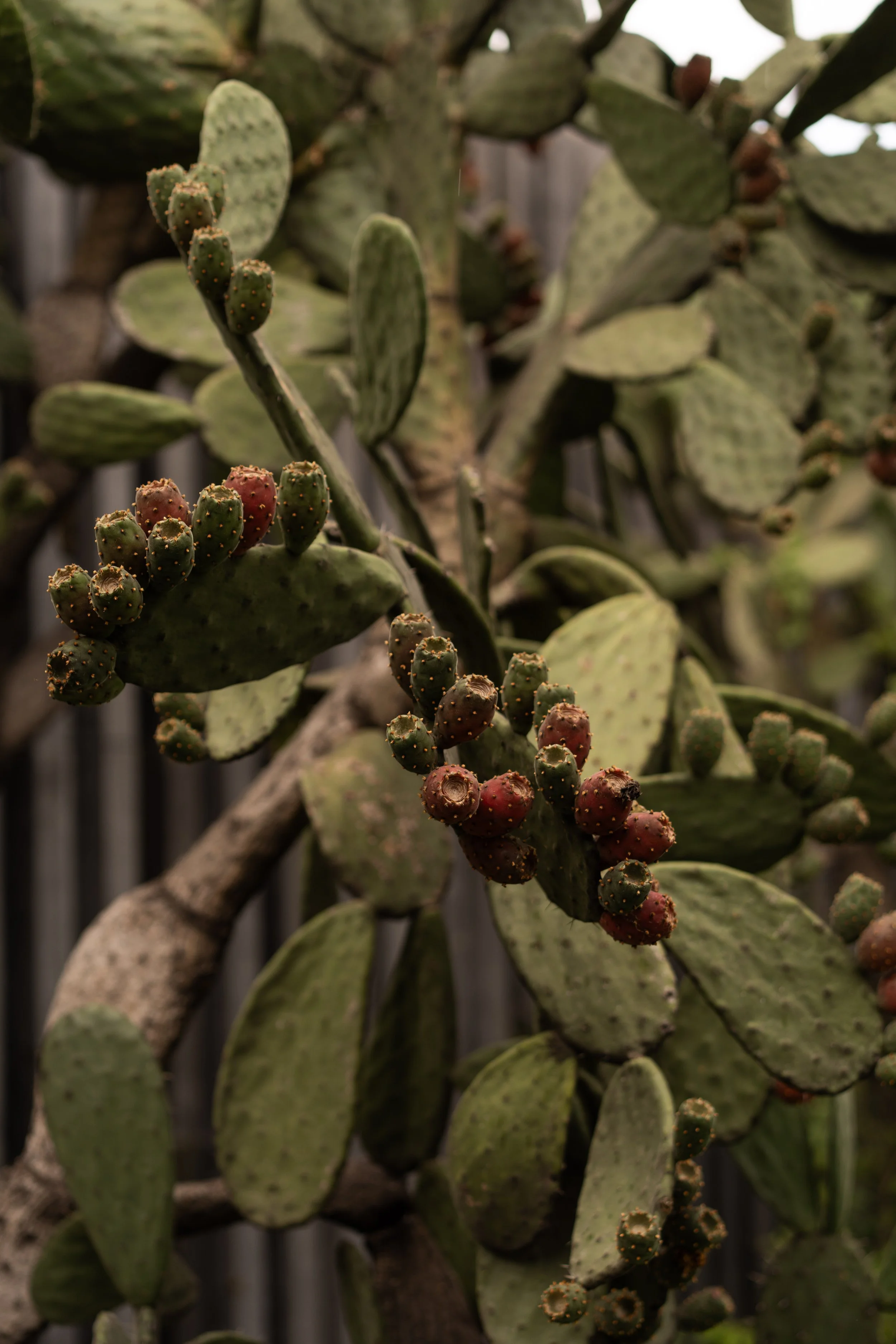
the gardens: flora, fauna, façade.
August, 2026.
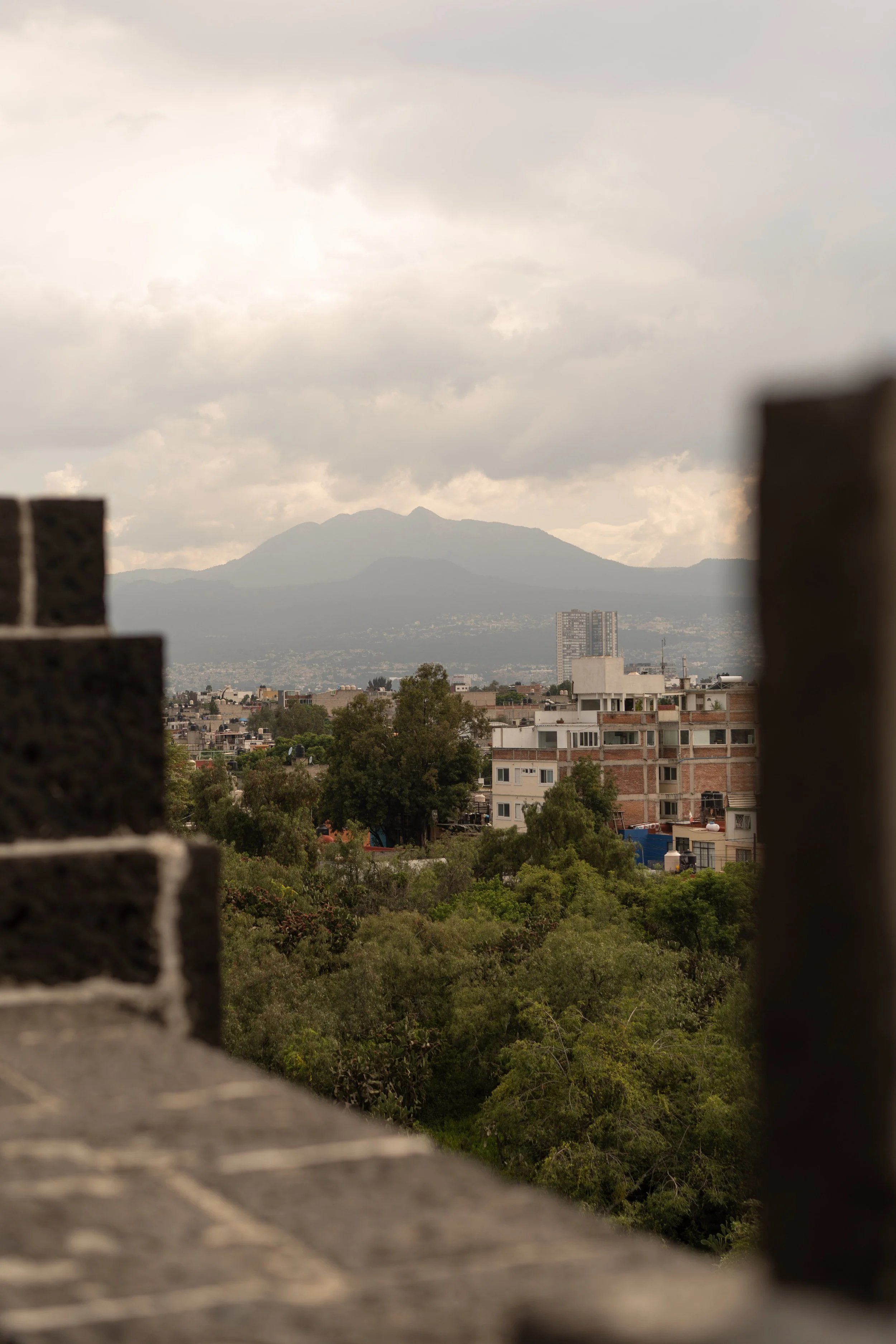
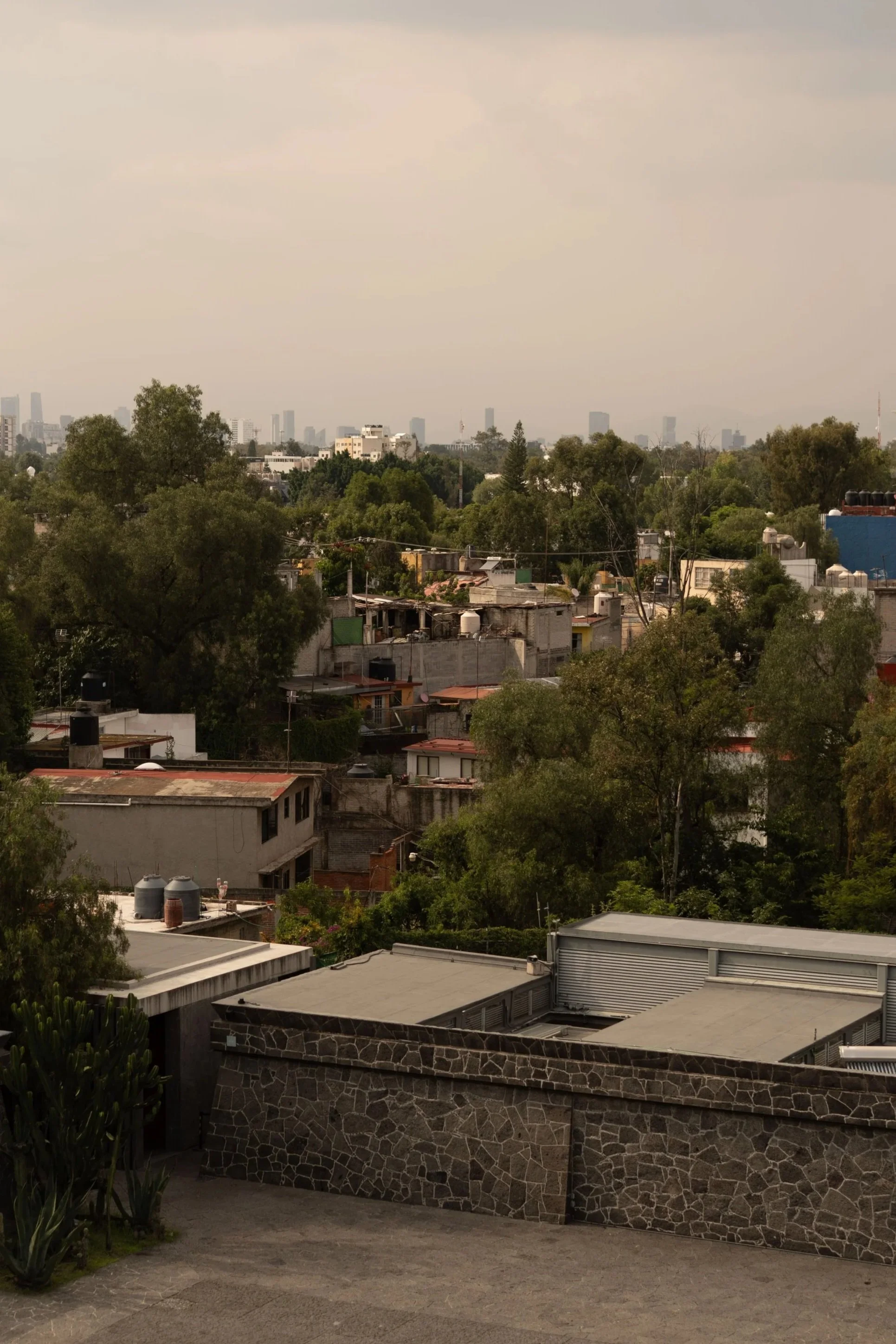
Towards the end of my time in Mexico City, I found myself spending more and more time alone. On my last Sunday there, I took the bus down to see Diego Rivera’s Museo Anahuacalli — his collection of pre-Hispanic art, set upon the volcanic lava rock field of Pedregal.
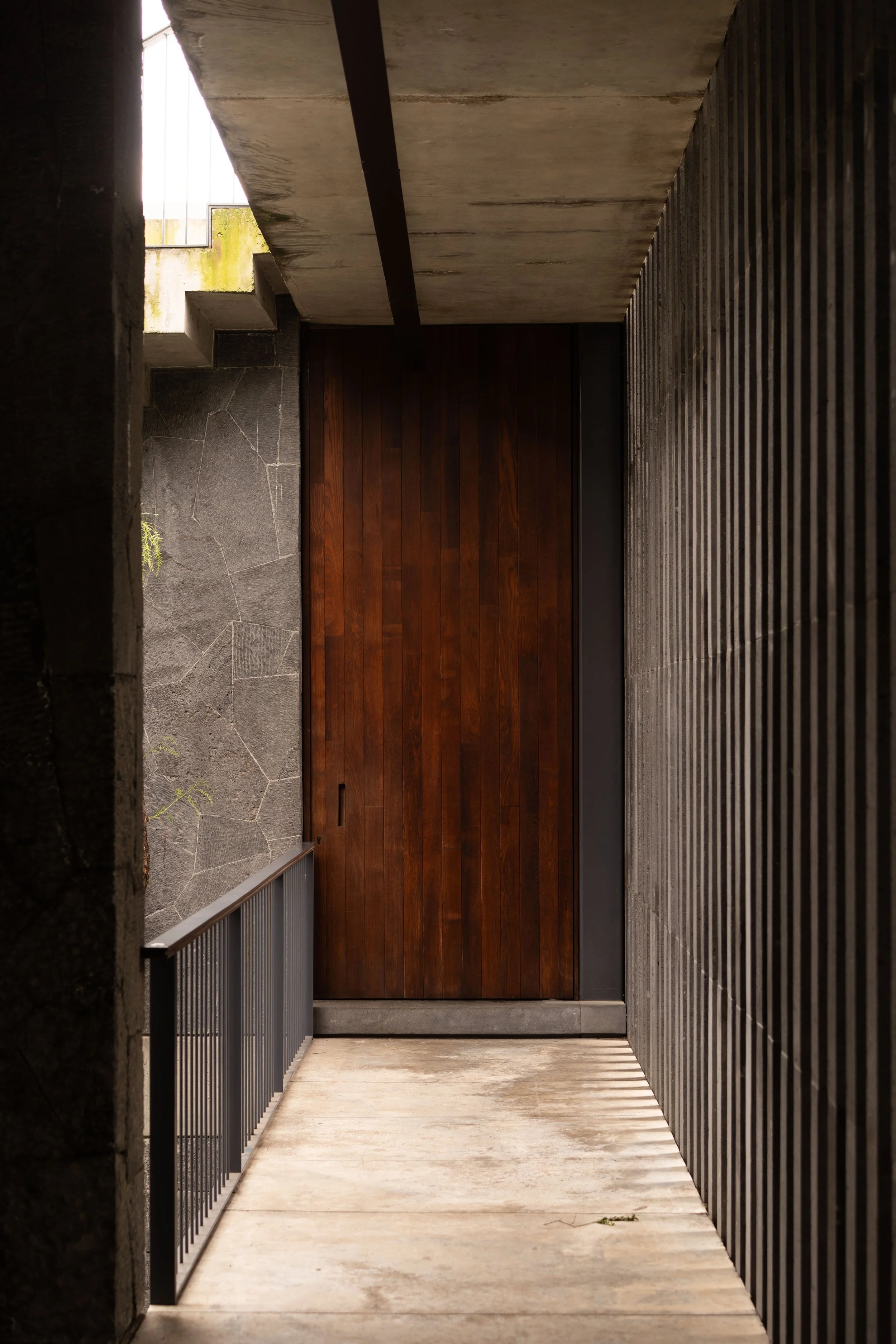
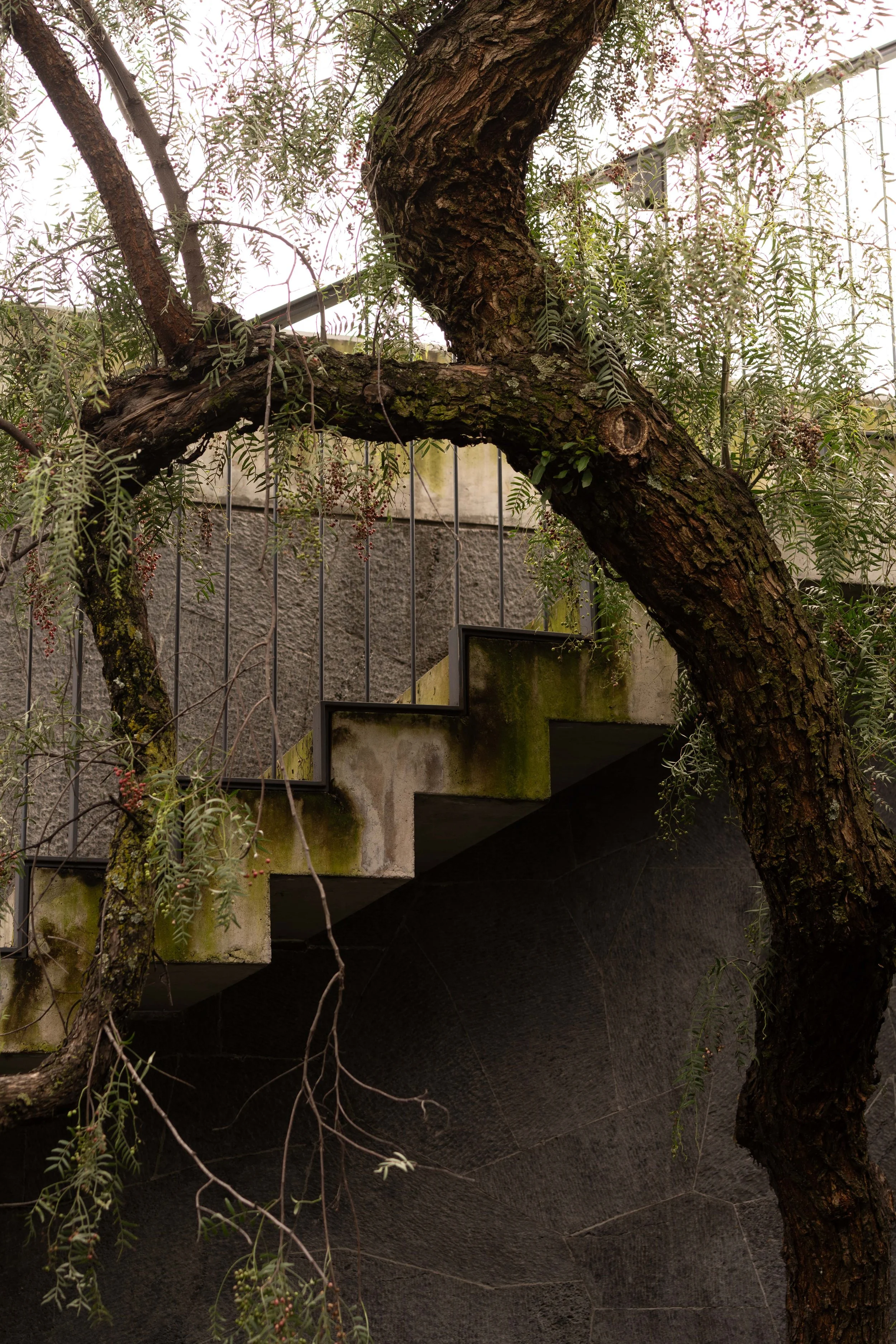
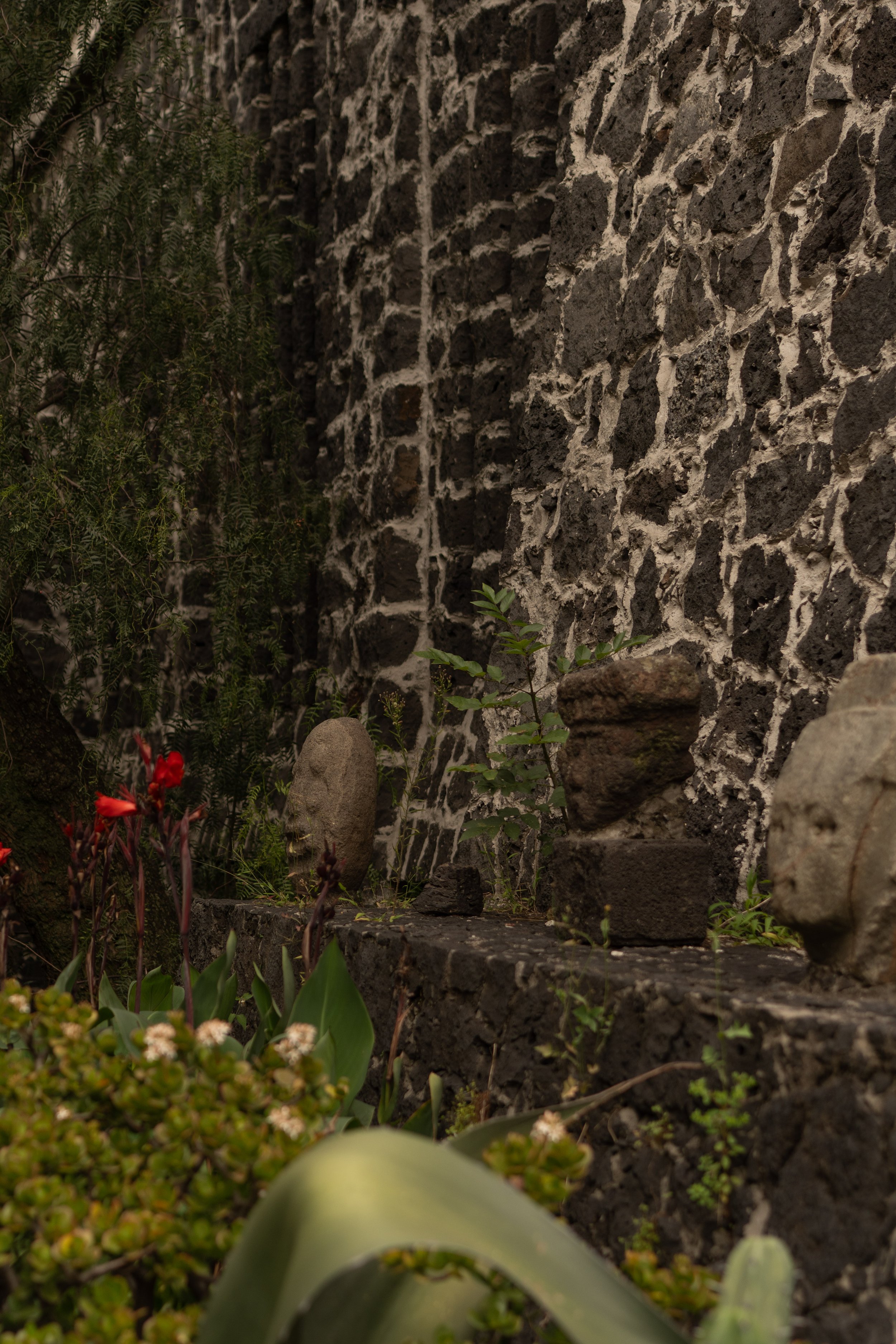
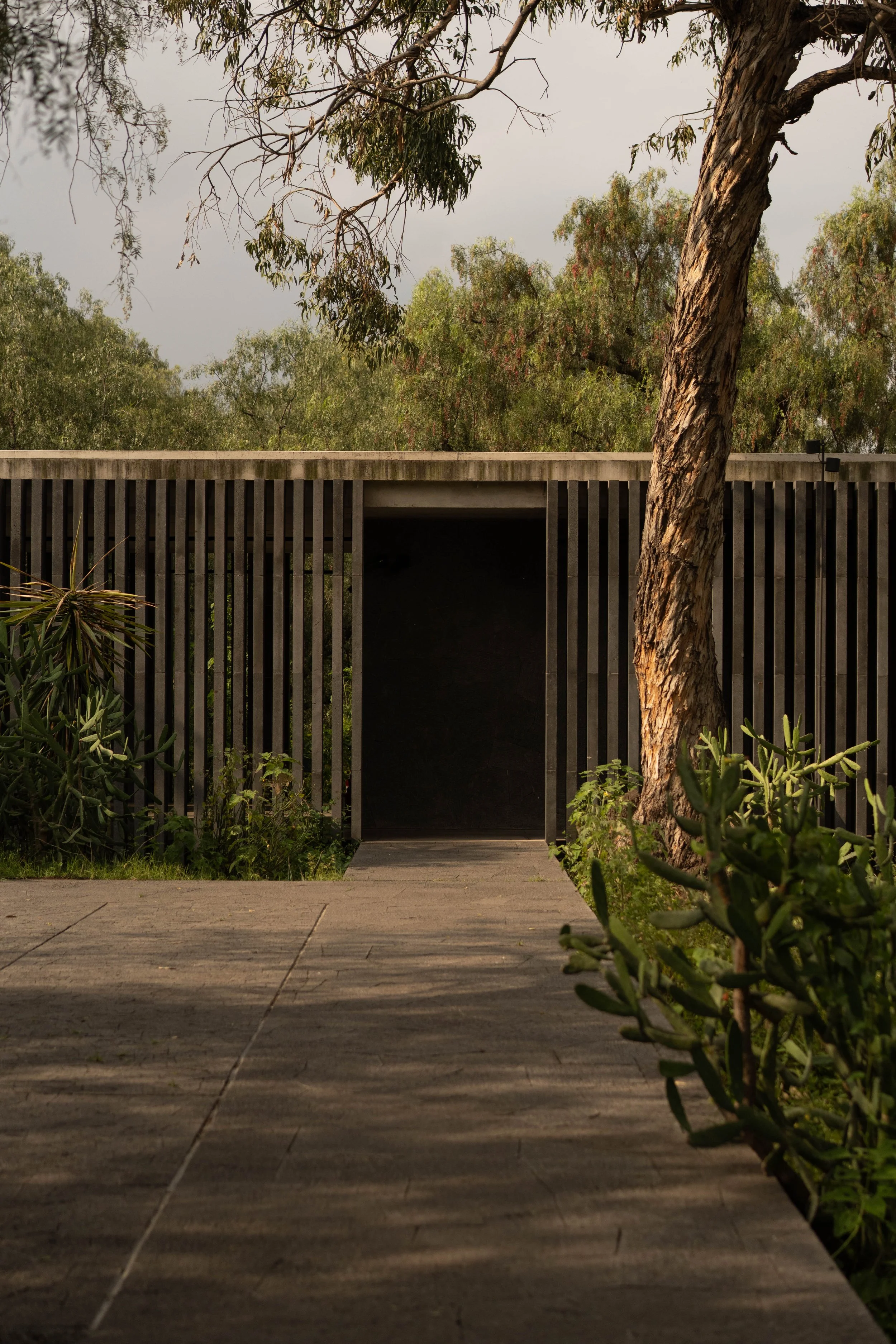
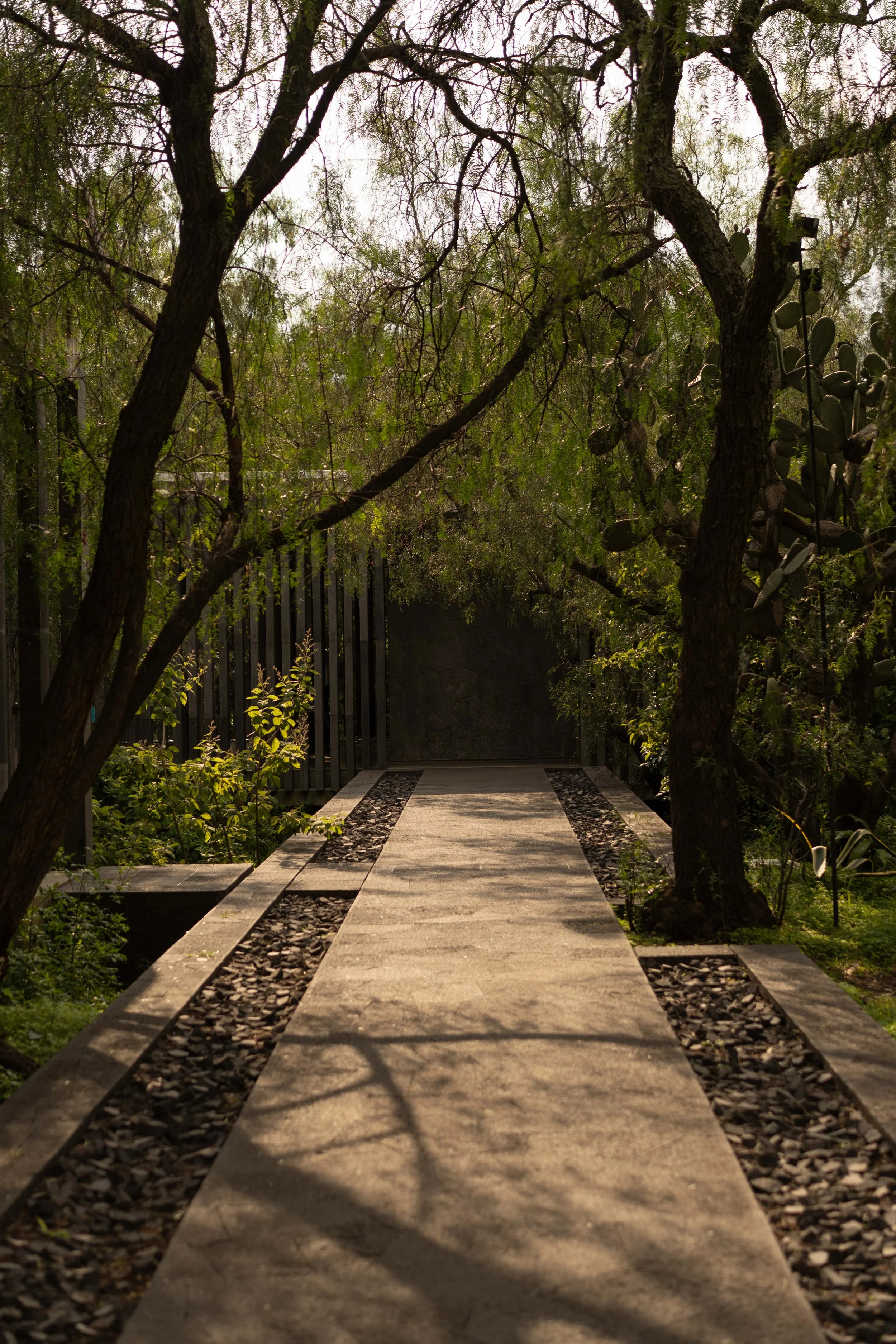
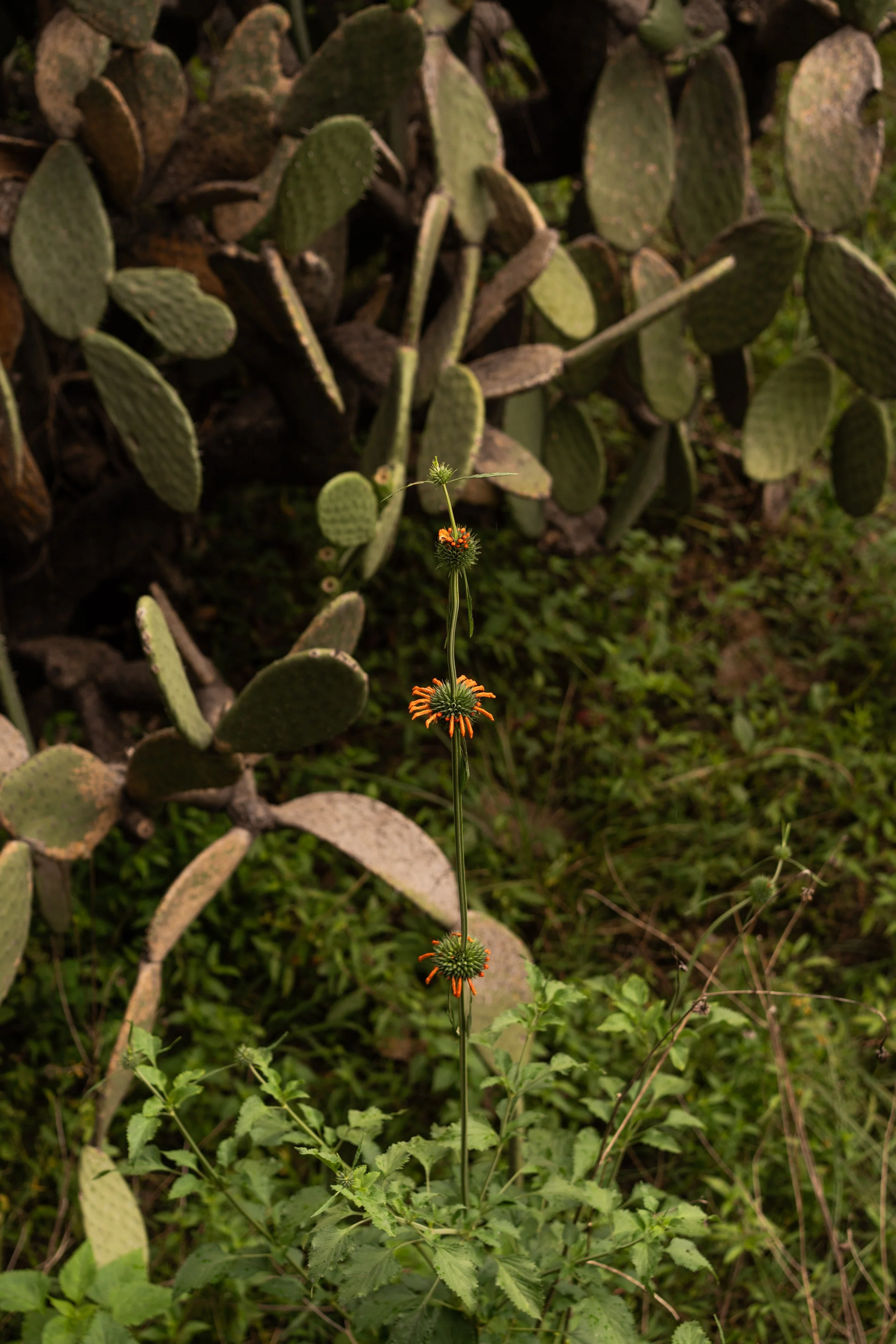
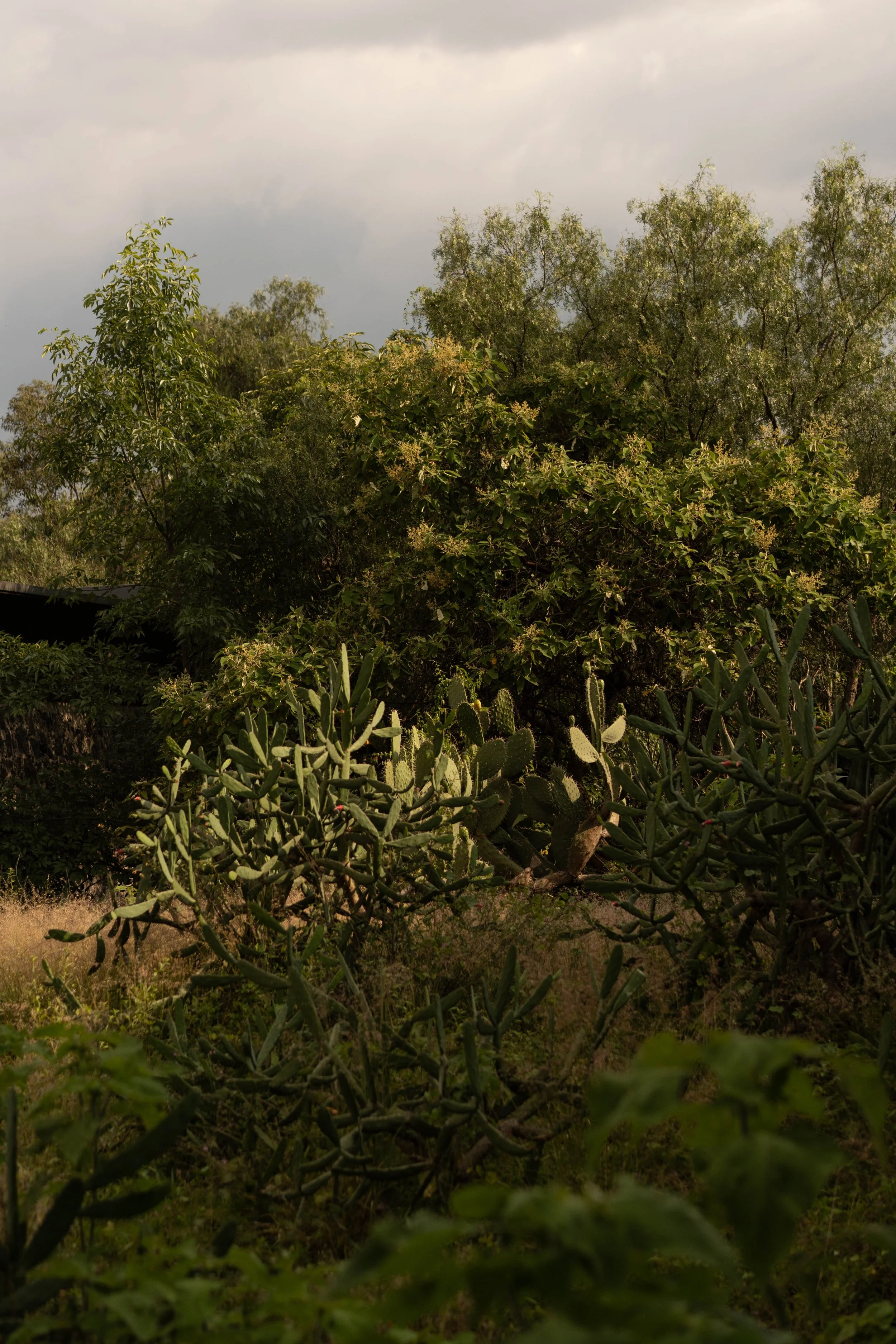
Upon entering, I crossed the central courtyard towards the gardens — where lava stone and concrete were softened by flora and fauna. I spent a couple hours at the museum, making loops throughout each space, noticing more and more with every turn. By the end of my visit, I messaged all my friends that they had to see it before they left.
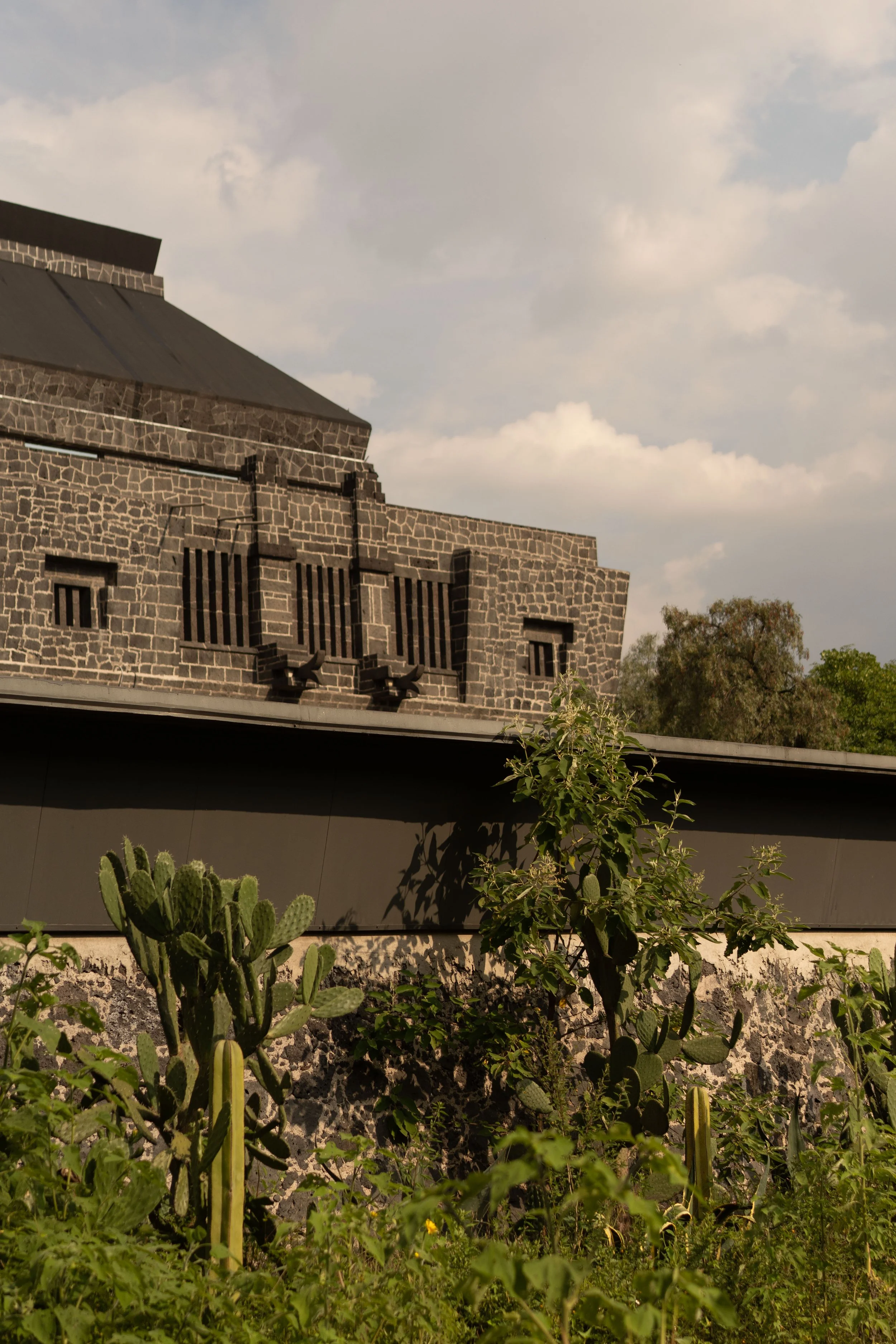
The word “Anahuacalli”comes from the Nahuatl language, translating to “house surrounded by water,” referring to the Valley of Mexico. Designed to mirror a traditional Mesoamerican teocalli (god’s house or temple), the corners of the edifice are dedicated to the four elements of nature represented by Mexica deities: Chicomecóatl (earth), Ehécatl Quetzalcóatl (wind), Tláloc (water), and Huehuetéotl (fire).
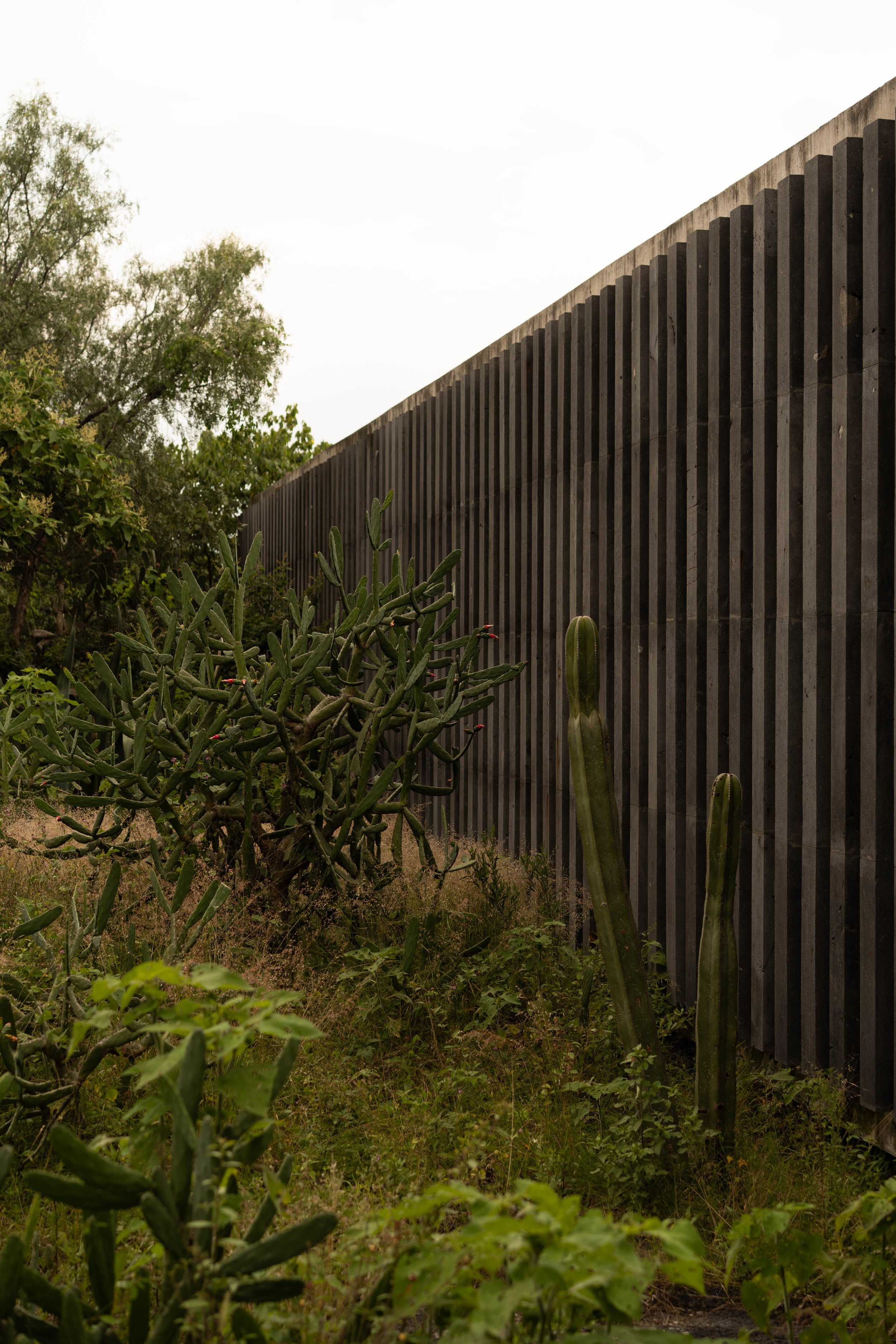
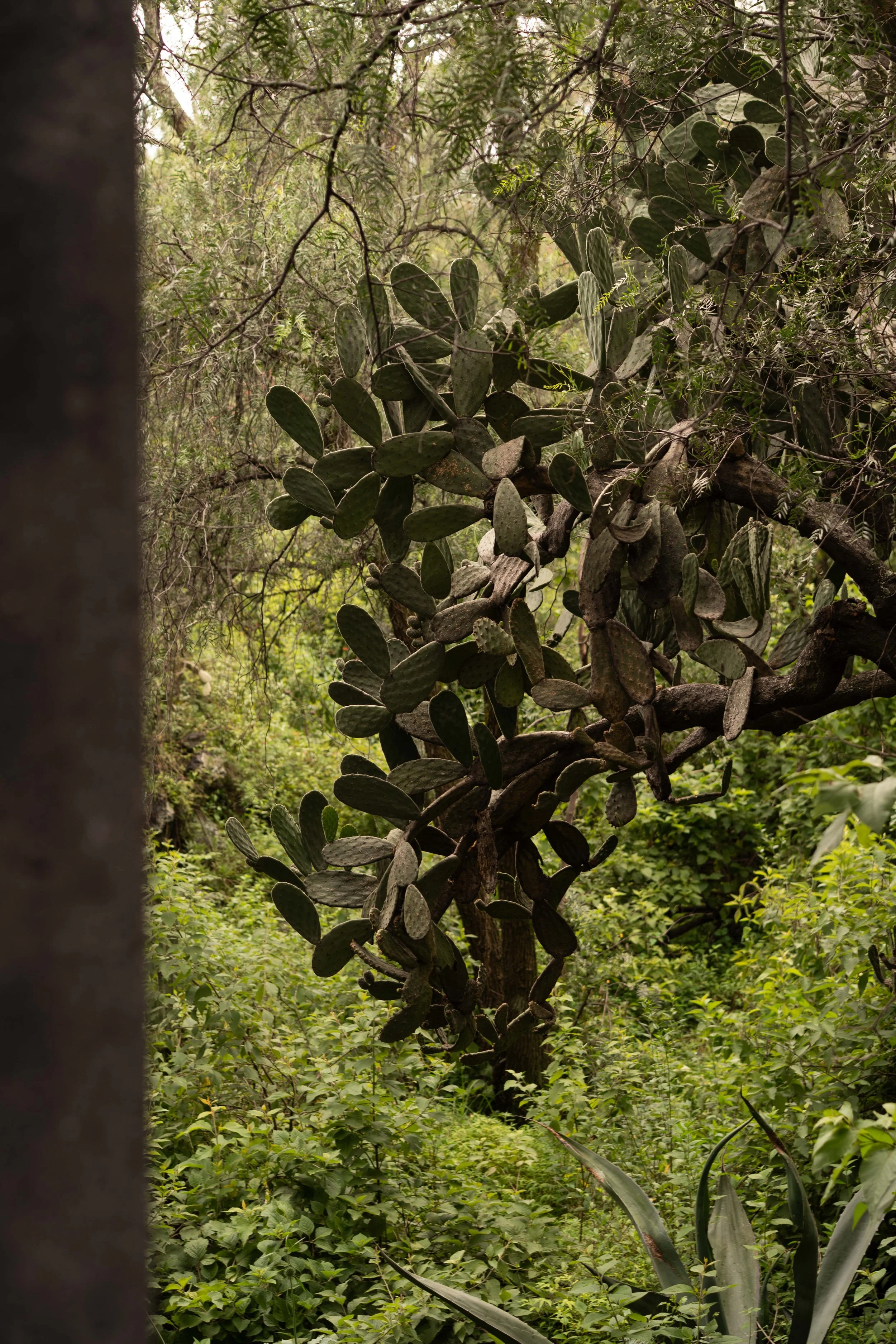
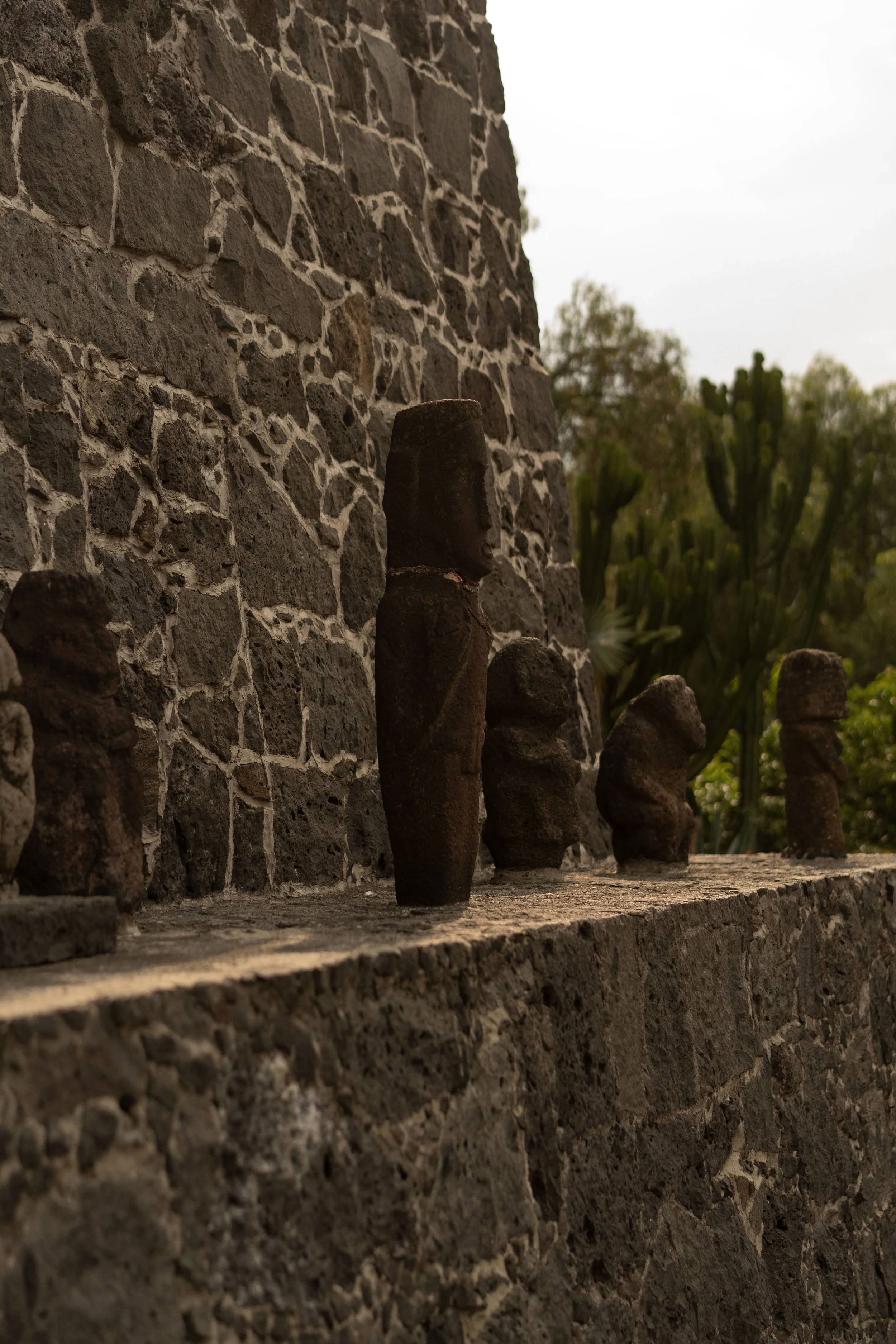
Carved lava rock from the Xitle volcano, surrounded by native nopal cacti.
Architects:
Diego Rivera, Ruth Rivera, Juan O’Gorman, Heriberto Pagelson (1963)
Taller | Mauricio Rocha (2021)